Contact Vicki
If you have any questions or would just like more information please don't hesitate to get in touch by clicking the button below and filling out the contact form.
Contact Vicki
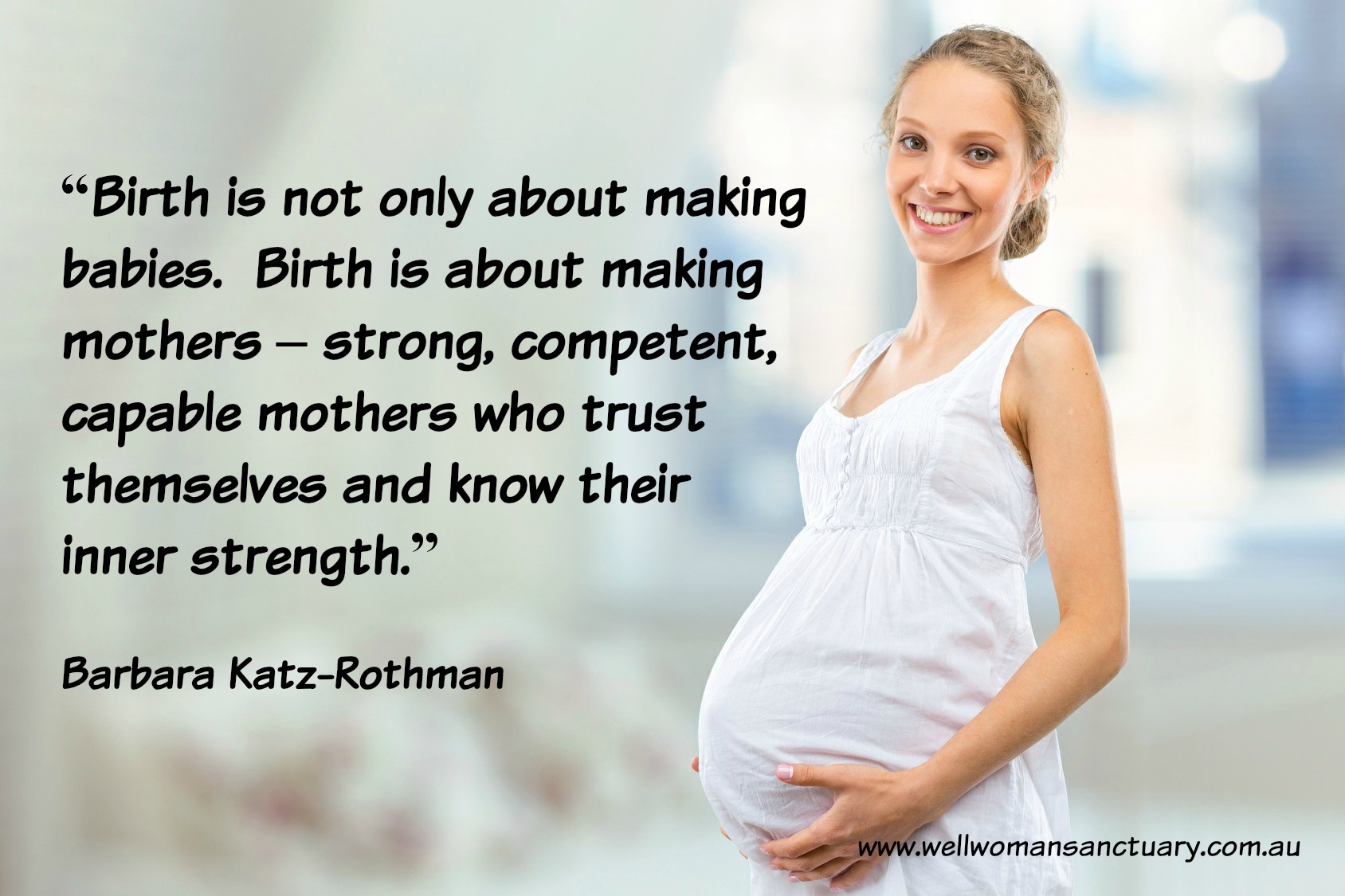
“I wish I had done some classes or prepared myself for what to expect when I went into labour, and maybe my birth would have been very different.”
This is what so many women say to me when they are trying to have a more positive experience with their next birth or VBAC (vaginal birth after caesarean).
What blows my mind is that women put so much time, money, energy and mind space into organising events like a wedding.
Couples in Australia on average spend around $40,000 and between 200 – 300 hours planning their perfect day.
Many do not invest even a fraction of that time or money to research and prepare for their birth like they did with their wedding, or a holiday or when purchasing a new home or car.
What are you willing to invest in education, preparation and resources to have a better birth and to bring your baby out with as little interventions as possible, so they are alert, calm and responsive?
You have created a human being.
Think about that for just a moment.
A part of you and a part of your partner – what could be more sacred and important and worthy of research, preparation and understanding of the birth process?
You have nurtured and provided for that little human for 40 weeks (or thereabouts) while they grow.
Everything you have felt, has also been experienced by your baby.
You have spent your whole pregnancy eating well, avoiding soft cheeses and pate, drugs, cigarettes, chlorinated water and anything that might affect your pregnancy or your baby.
We know that birth is a primal, instinctive event, but you also have to know what to expect and to expect the unexpected, so that you can feel more confident when asking questions and making decisions if things turn to shit or deviate from your perfect birth plan.

So you get to about 38 weeks pregnant, then what?
Do you know why you are being offered a “stretch and sweep” by your Obstetrician or midwife?
Do you even know what that is and how they do the procedure?
They make it sound so routine, so normal, so much a part of what you do when you are pregnant – that’s just how it is you think.
Do you even understand what “labour” is?
We know it’s normal for women to be “in labour“, but do you actually know what is happening other than what you have heard or seen on TV?
Do you know why you feel a contraction and what that contraction is doing?
Do you know why you need to breathe properly to get oxygen to your muscles?
Do you know when is the right time to go to the hospital or call the midwife?
Do you know the difference between pre-labour (which can be days or even weeks) and active labour?
Do you know why birthing on your back is one of the worst positions to be in?
Do you know what to take with you in your hospital bag for your comfort?
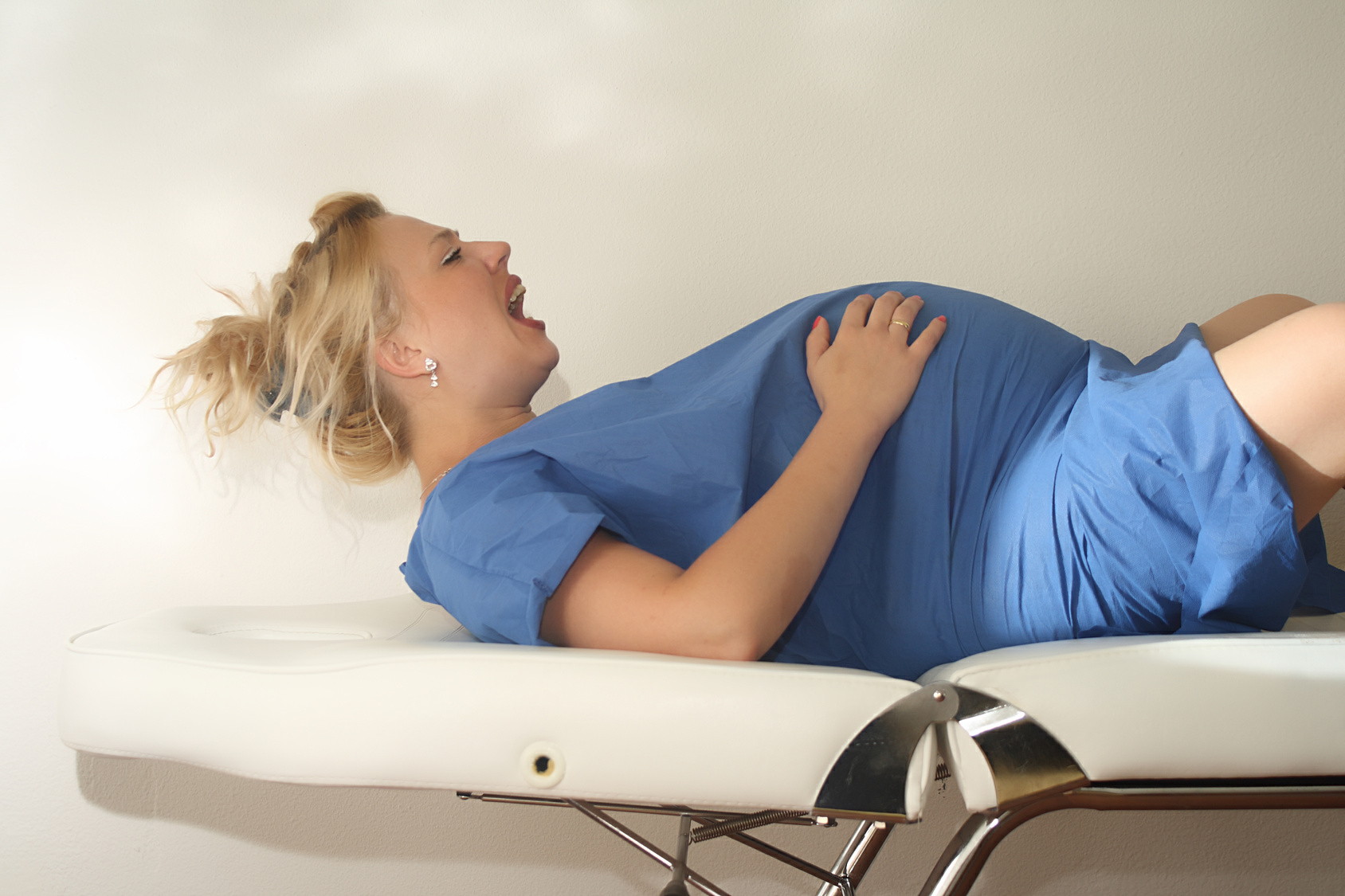
I believe that once you understand the mechanics of it all you will view your labour and birth very differently and with so much more confidence.
You need to think of your birth as being a marathon and you are the athlete; your baby is the finish line. What can you do to sustain your energy, maintain your position, keep focused and keep your motivation high?
Yes you can have an epidural and all the drugs you want, and they are usually offered to you before you even ask.
But if you knew how to eliminate fear, to reduce tension which causes pain, wouldn’t you want to do that before even thinking about having drugs, so that you are not disrupting the hormonal physiology of your birth?
Wouldn’t you want to use tools and techniques that enhance the physiology of birth to bring your baby out into a calm and quiet environment before opting for medical intervention that may have an adverse effect on you and / or your baby?

Wouldn’t you rather be able to move around the room, get into the bath or shower or rock on a fitball, instead of being restricted to a bed?
Wouldn’t you want you and your baby to also be alert and calm at the end of your birth so you can be totally present while bonding with your baby immediately and not feel utterly exhausted and fatigued?
Did you know that once you agree to medical interventions, you will then need to be constantly monitored?
That is hospital policy of course, but when I see in the forums women saying “oh you don’t need constant monitoring, just don’t give your consent”….
I totally agree with this in most circumstances, and I encourage the mums to negotiate this with their caregiver because if you are low risk and you do not have an epidural or drugs, then constant monitoring may be a hindrance to a birthing woman and is unnecessary.
More importantly, the research also suggests that being constantly monitored can and does lead to unnecessary interventions and caesareans, without improving outcomes.
Check out retired Obstetrician Kirsten Small’s research on constant monitoring.
CLICK HERE.
However, once you go down that path of interventions, then things are very different – it then becomes a “package deal” and constant monitoring is your free set of steak knives.
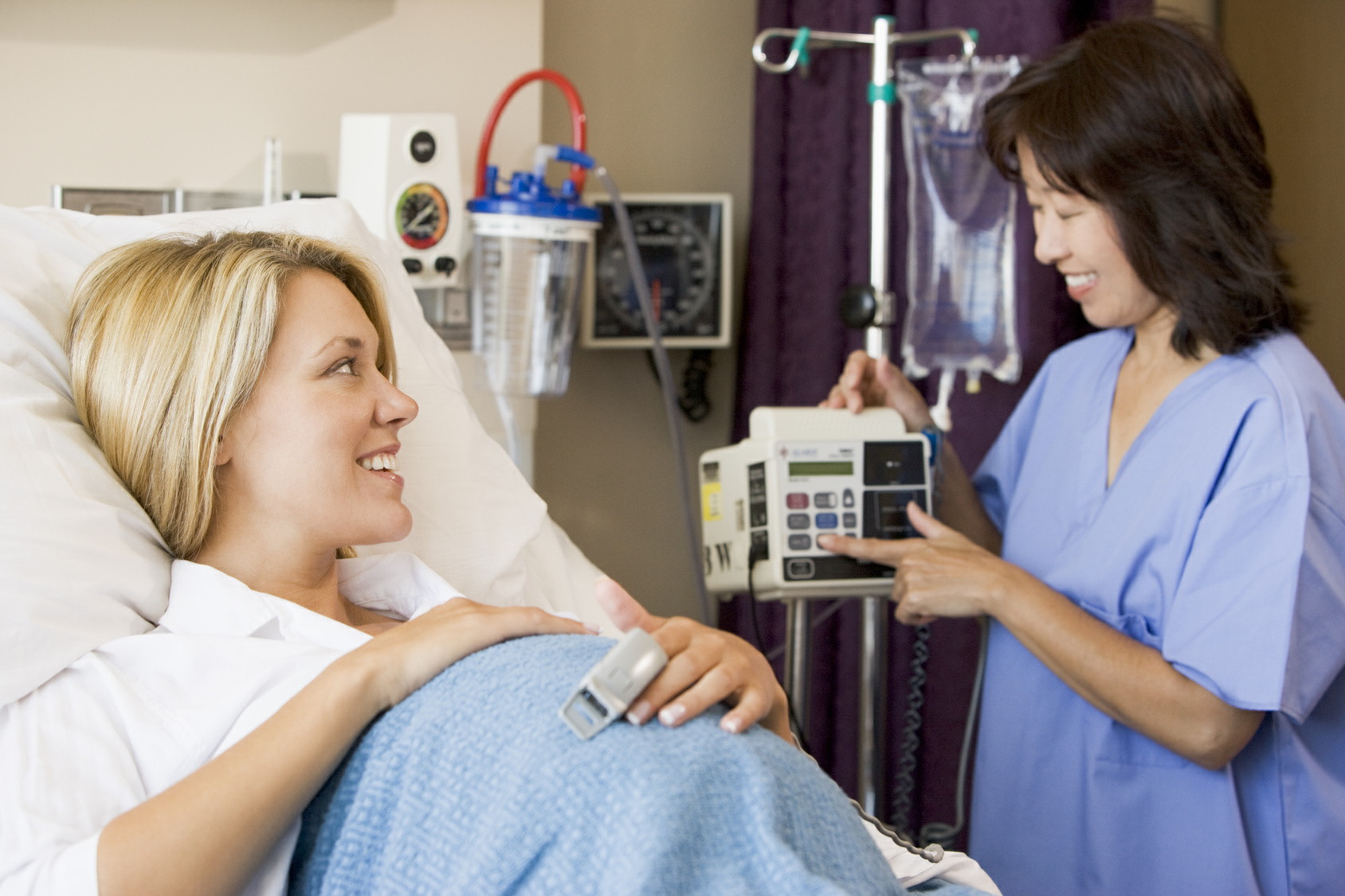
Think about it this way…..the reason you need to be monitored is because you have agreed to some form of intervention – usually drugs, and that means that now there is an “intruder“ inside your body.
It is not just you and your body working in synergy with your baby anymore – and who knows what this intruder might get up to in there, so why would you not have monitoring to ensure your baby is safe?
But does that mean the constant monitoring is going to be a benefit, or is it going to create an illusion of safety?
Who knows.
I am totally supportive of women choosing interventions when they are fully aware of all their options, not only the benefits and the risks but also the alternatives, and this is why we prepare couples with the BRAIN analogy, so they can ask all the rights questions, to get all the answers they need to make an informed choice.
If you don’t know your choices, then you have no choices, it is as simple as that.
As a birth coach, doula and childbirth educator my role is to educate women and provide them with choices, and once they make choices to suit their needs at the time, I totally support that woman in her choice – because it is her birthing journey – her body, her baby, her choice and I am not there to save her, just to educate her so she makes the choices that feels right for her and her set of circumstances.
However, I feel too many women are being coerced into interventions as if they are a normal part of birthing or being told that “this is our policy” and being made to feel that there is no choice, when in actual fact the care provider should be saying “this is our policy, but you have the right to consent, not consent or withdraw consent at any time”.
More about consent CLICK HERE

A woman has the right to choose how she births her baby, not conform to being a “good patient” rather than her caregivers “being patient.”
But how can a woman choose how she births her baby if she doesn’t know all her options?
Antenatal classes at the hospitals are primarily focused on medical interventions, and what you can do in special circumstances, how an epidural works, the drugs you can have, and the policies and procedures of the hospital and I will be the first to say that this is still beneficial to know, so I would not dissuade my clients from attending hospital classes.
But please remember that hospital policies are based on guidelines, which are not always based on evidence, but rather consensus-based, and birthing women have the right to refuse a policy of a hospital – they have the right to say, “I do not consent to that” and be supported in her decision by her caregivers and support people.
The Australian Medical Association supports this as well with the AMA Maternity Decision Making Guidelines, specifically points 2 and 9, which highlights the care provider must support the decision of the woman, whether they like it or not.
So, the decision comes down to the woman and her partner.
The partner also plays a huge role in the birth of their baby.
Why?
Because if they are educated, prepared and fully supportive then the birthing woman has one less thing to worry about. She can totally focus on birthing her baby and working with her body – which will be one of the most incredible, yet challenging events of her life. But in the back of her mind, she will know that her partner will be the very best support person she can possibly have, and that too creates an amazing birth environment – knowing that your partner has your back!
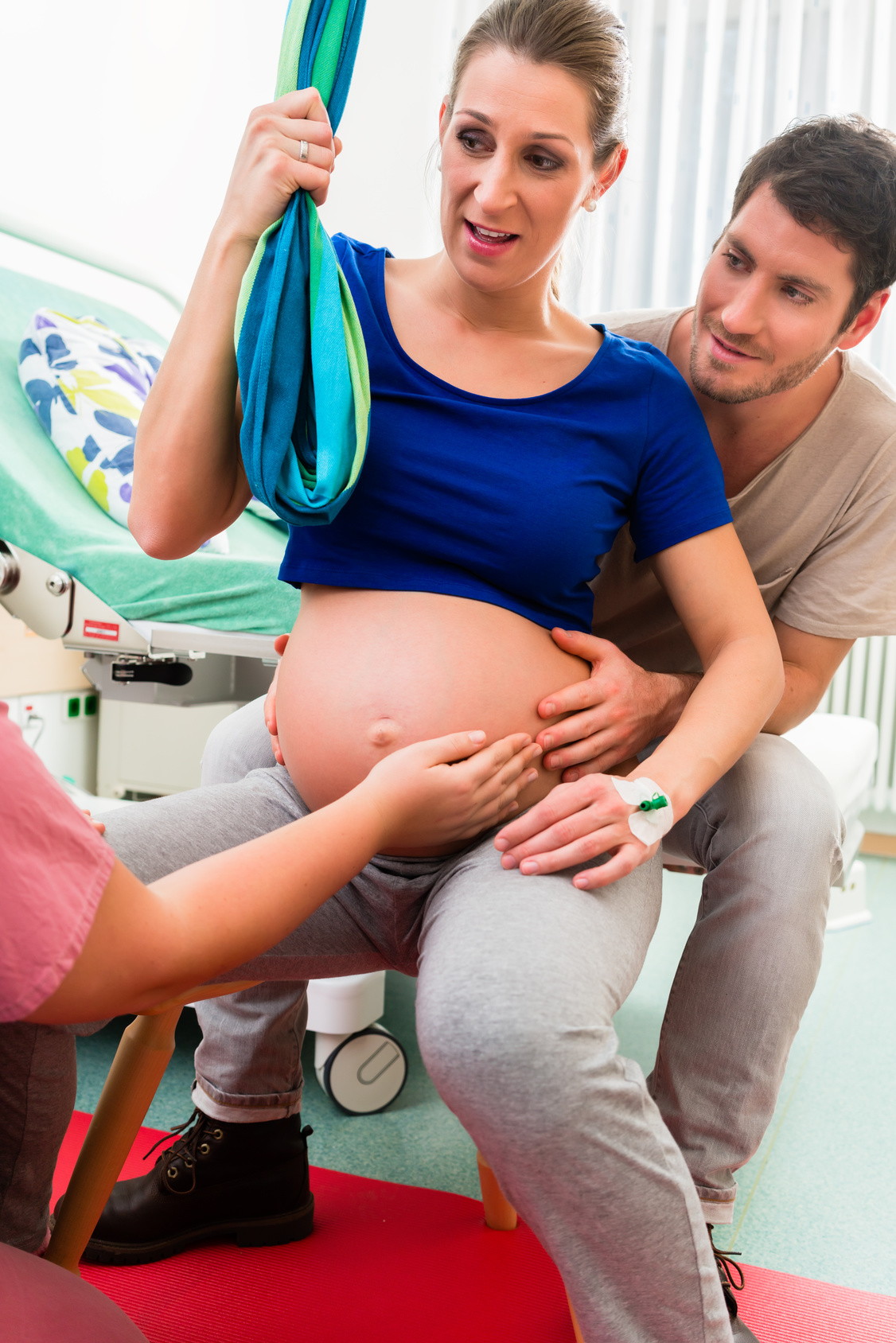
I really encourage all pregnant women to invest in independent childbirth education classes to educate yourselves, be prepared, know how to ask all the right questions so you can make informed choices, so that no matter how your baby is born, you know you did everything possible to give them a normal, intervention free birth, if that is what you want.
Alternatively, being educated and prepared can also help to reduce or eliminate fear and distress if things start to deviate from your wants and needs or your ideal plan, and you understand the process you are about to go through.
When you attend independent classes, you are seeing someone who has invested their own time and money to be an “expert in childbirth education” to know all there is to know about the anatomy and physiology of a pregnant woman and how the mind, body and emotions work during pregnancy, labour and birth and how to feel confident with positive choices you make during your birth.
Being educated and informed may also help a woman with the healing process after a birth if there were special circumstances or an emergency situation.
I offer childbirth education classes and I feel really strongly that there is not enough information and preparation provided by the hospitals to encourage and support women to have the birth that they want to have.
So, it is up to you to do your research, become knowledgeable, be prepared and have a choice in the way you birth your baby and what kind of environment you want to bring your baby into.
You only get one chance to birth your baby the way you want to.
Birth does have an effect on a woman’s mental state. If she feels that she has been bullied or has not been listened to during labour and birth, then she will grieve that process and it may affect her postpartum experience.
I run regular group and private Back to Basics Birthing classes plus I have an online course if you can’t get to classes to provide you with all options for being educated, prepared and confident about your birth.
My focus is not “natural birth at all costs” it is about feeling “confident and prepared” for any birth experiences and being able to cope with all circumstances as they arise.
You and your baby deserve that.
If you have any questions or would just like more information please don't hesitate to get in touch by clicking the button below and filling out the contact form.
Contact Vicki